Technician onboarding

Help new technicians become productive sooner.

A new mechanic can take a long time to become fully productive. Shops that shorten that ramp usually make the equipment information and local knowledge available from the start.

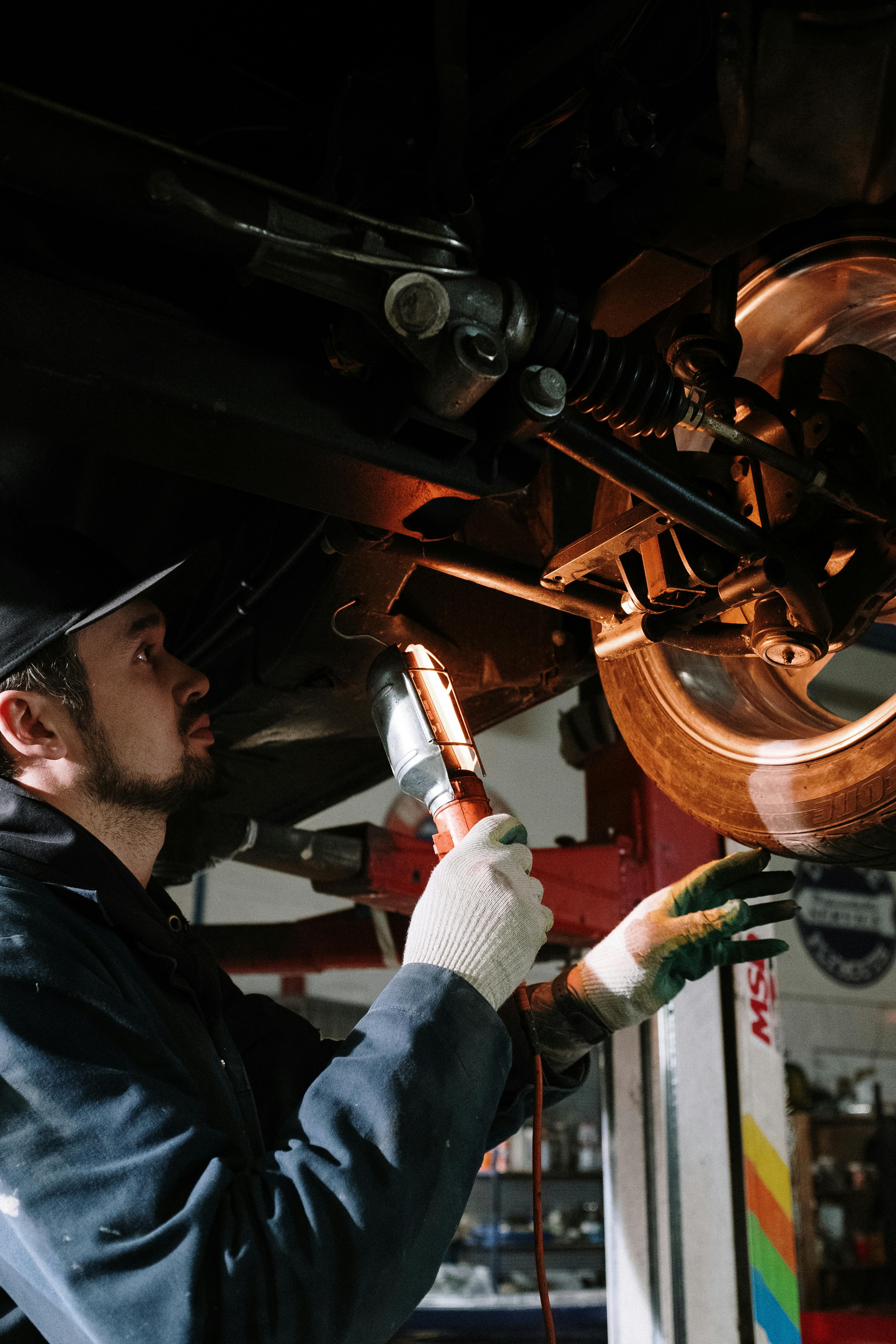
New fleet maintenance technician working under a vehicle on a lift
WHAT GOOD ONBOARDING LOOKS LIKE

Give a new technician access to the shop's working knowledge from day one.

Good onboarding gives a new technician access to the information they need without making a senior technician stop work for every routine question.

New mechanic onboarding usually follows a familiar pattern. First week, the new hire follows someone around. Second week, they start taking jobs with someone nearby. Month two, they're working more independently but asking questions constantly. Year two, they're finally hitting their stride. Year three, they're productive.

That is a long ramp. The problem is often access to information rather than the technician's ability. Routine questions still require finding the right person and interrupting their work.

When a new hire can ask a question and see the relevant OEM information alongside the shop's approved guidance, they spend less time searching for information that already exists.

The senior staff benefit too. Every question the knowledge base answers is a question they don't have to. They spend less time explaining the PM schedule for the third time and more time on the complex diagnosis work that actually needs their experience. That's a better use of everyone's day.

THE ONBOARDING ARC

What changes,
and when.

A concrete look at what a new hire's first year looks like when the shop's knowledge is accessible from the start.

Wk
1

First week

Oriented, not lost.

The new hire gets access to Yardwise on day one. Before they touch a vehicle, they can browse the equipment in the yard, see the approved knowledge entries for each type, and read the overrides your senior techs have already added. They walk into their first job knowing what the shop knows about that unit, not starting from scratch.

The OEM manuals are already loaded. The safety procedures are in there. The first-time-through checklist that took your veteran three years to build is right there, authored and approved.

OEM manuals loaded Equipment library visible Approved knowledge entries Safety procedures

Mo
3

Month three

Ask better questions sooner.

By month three, a new hire with access to the knowledge base has absorbed the common overrides, the equipment-specific patterns, the parts shortcuts. The questions they're still asking the senior staff are the genuinely hard ones, the novel faults, the judgment calls. Not the routine stuff.

Senior techs notice this. The new hire isn't coming back with the same question. They're showing up with context, having already checked the manual and the local knowledge, and asking for the piece they couldn't find. That changes the relationship between the new hire and the senior technician. It also builds trust faster.

Common patterns absorbed Fewer repeat questions Senior time protected
Yr
1

Year one

Technicians can add knowledge too.

A technician who has been in the shop for a year will start noticing useful details that have not been recorded. It might be a pattern on a specific model, a parts substitute that saves time, or a repair sequence that works better for a particular job. They can add the information to YardWise, submit it for supervisor review, and keep their name attached to the entry.

The knowledge base also grows as newer technicians add useful observations and submit them for review. Nobody has to schedule a separate documentation session.

Adding knowledge entries Named author on contributions Shop knowledge compounds Supervisor review queue
FOR SUPERVISORS

More time for the difficult work.

When the knowledge base handles the routine questions, supervisors get back the time to teach the things that can't be written down.

Time reclaimed

Less time on
first-tier questions.

The new hire who can look up the PM spec for the F-450 without interrupting anyone doesn't interrupt anyone. Multiply that across a shop of five new hires and a senior team of three, and you get back hours every week that were going to answering the same questions in rotation.

Better teaching

Senior staff can spend more time on difficult diagnosis.

The novel diagnostic, the fault code nobody's seen before, the job that genuinely needs a senior's instinct. Those are the moments where a supervisor's time is irreplaceable. When the routine questions are handled, that's where their time actually goes.

Visible progress

Supervisors can also see who is starting to contribute useful knowledge.

When a tech starts submitting knowledge entries for supervisor review, it signals something. They're paying attention. They're thinking beyond the job in front of them. That's a useful signal for a supervisor building a bench, and it comes naturally from the way Yardwise works rather than from a formal review process.

GET STARTED

Help the next hire become productive sooner.

Tell us about your shop, your fleet, and when your next hire starts. We set up pilots around one depot. You see the difference in the first two weeks.

The other half of this is the senior on the way out. If someone in your yard has a retirement date, our guide to documenting what the retiring technician knows covers what to record before the seat empties, and what leaves when a veteran mechanic retires covers what is at stake if nobody does.

A two-week pilot
before the next hire arrives.

We can load your OEM manuals and approved shop knowledge before a new technician starts. The technician can then use the same information the rest of the shop has already reviewed.

Talk to us Shop knowledge
Pilot setup Two weeks, one depot
First call 30 minutes